
YG Performance Videos Reach 6.9 Billion Views Across 69 Clips… YANG HYUN SUK’s Production Philosophy Proves Effective
[뉴스엔=이민지 기자] YG Entertainment (hereafter YG) videos are different.
YG is showing differentiated competitiveness in the global K-pop market with a production approach that puts the completeness of music and performance at the forefront. At the center of it is YANG HYUN SUK, Executive Producer of YG, and his long-standing interest in performance and production philosophy.
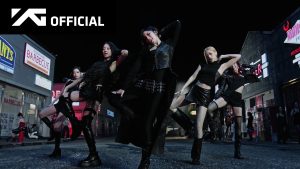
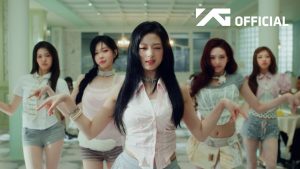
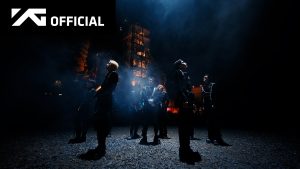
YG has released around 170 performance videos and dance practice videos to date. Among them, 69 are performance videos, which have recorded approximately 6.9 billion cumulative views. YANG HYUN SUK, Executive Producer of YG, led the entire production process for these contents, from planning and choreography to final editing.
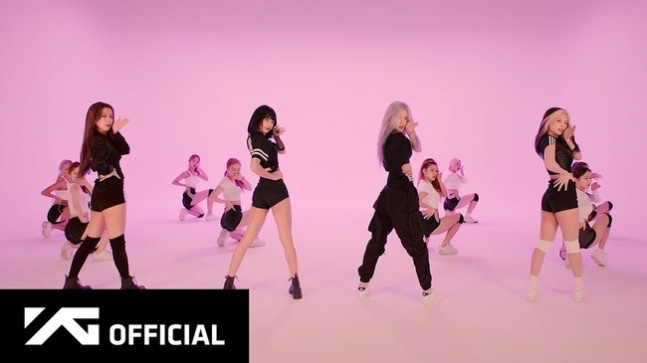
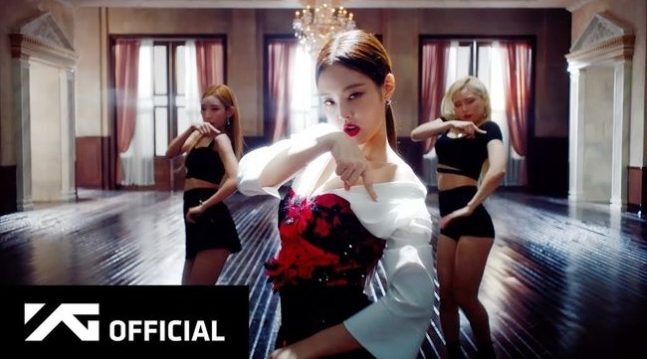
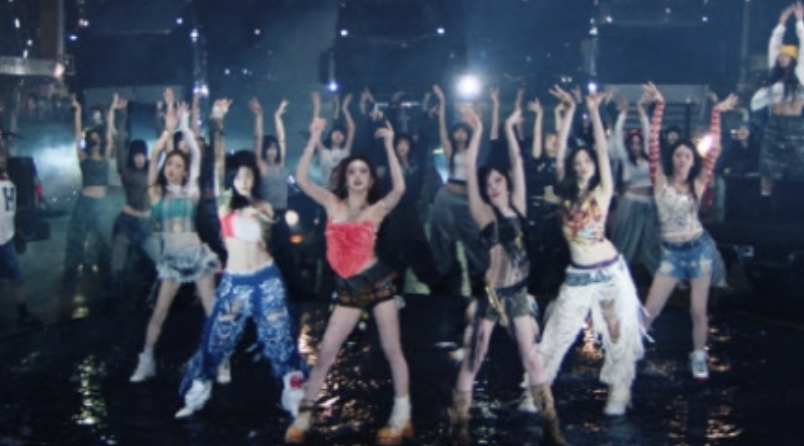
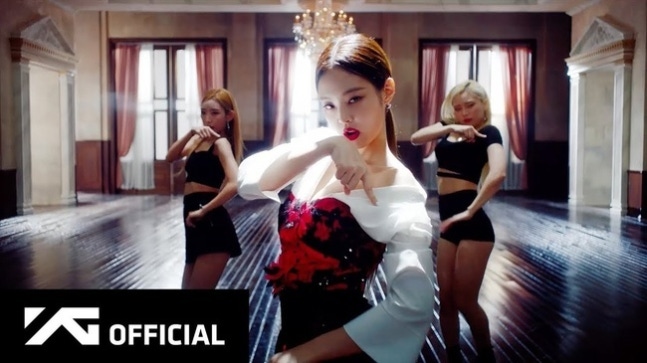
In K-pop, performance is a key element that shows an artist’s identity alongside the music. While conventional dance practice videos focused on showing movements and formations, YG’s performance videos were produced as content that highlights the characteristics and appeal of choreography through video editing. They stand apart in that they expanded choreography itself into a form of content by presenting choreography that is difficult to capture fully in a music video through a variety of angles and compositions.
This production approach became more full-fledged with BLACKPINK’s debut. Even before fast-consumed short-form content became the mainstream, YG paid attention to the potential of expanding into the global market through YouTube and put effort into creating content that showcases performance itself, separate from music videos.
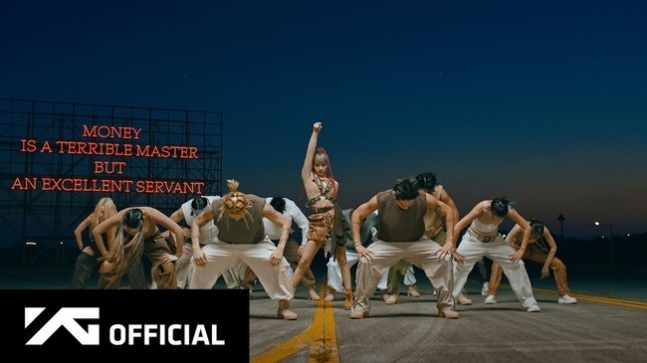
YANG HYUN SUK, Executive Producer of YG, was recognized early on for his ability to create choreography as a former dancer. He debuted in 1992 as a member of Seo Taiji and Boys and gained mainstream popularity over about four years of activities. The combination of Seo Taiji’s musicality and YANG HYUN SUK’s choreography was also credited with strengthening the team’s stage competitiveness.
The fact that YANG HYUN SUK, Executive Producer of YG, personally created the choreography from Seo Taiji and Boys’ first through fourth albums had long been known among insiders and the dance industry. However, because he tends not to actively highlight his own role, it was relatively less known to the general public.
Even after founding YG, YANG HYUN SUK’s choreographic sensibility was reflected in the music and stages of the company’s artists. He personally created the choreography for BIGBANG’s early debut-era songs “Lies” and “Last Farewell,” and also participated in the choreography for 2NE1’s debut song “Fire.”

As he focused on album production, after BLACKPINK’s debut, the production system shifted to a collaborative model with various overseas choreographers. In this approach, he selects choreography that fits the intended direction from drafts created by overseas choreographers, then personally edits and revises it. Since then, he has personally overseen the entire process of producing dance videos and performance videos.
From the planning stage, he conceives stage sets, visits filming sites to revise and guide choreography, and even handles video editing himself. In particular, for performance videos, he puts great care into the structure and editing so that the music and choreography do not move separately but flow together as one.
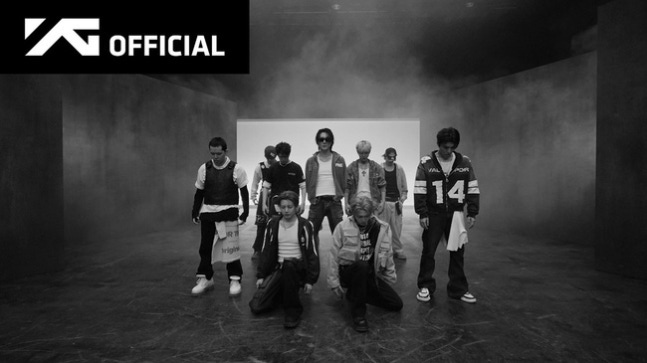
This production method led to results in the global market through BLACKPINK. BLACKPINK has released performance videos not only for group activities but also for members’ solo activities, recording hundreds of millions of views. Recently, the group once again proved its global influence by surpassing 100 million subscribers on its YouTube channel.
This is why YG’s performance-centered content production method is being evaluated as having helped visually expand artists’ musical colors while also securing a global fandom.
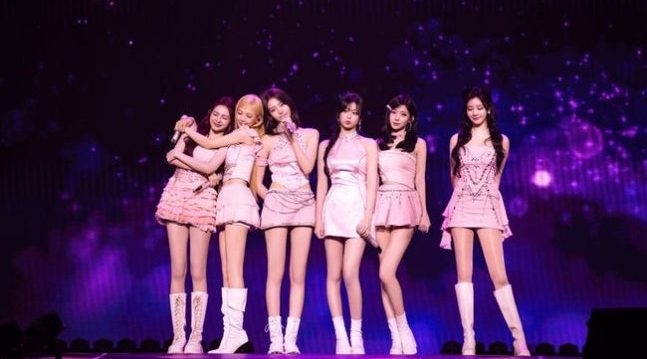
YG stated, “Completing a performance that best matches the music is YG’s production philosophy,” adding, “Not only TREASURE and BABYMONSTER, but also the music and performances of new artists to be introduced in the future will be realized through high-quality content, and we will continue to think, evolve, and improve.”
2026. 8. 6.