
JINUSEAN, 1TYM, BIGBANG, 2NE1, BLACKPINK… YG Entertainment’s 30 Years of Overturning Mainstream Grammar

[서울뉴시스=이재훈 기자] Reporter Lee Jae-hoon = The history of the music industry sometimes reveals how the intense deprivation and desire of one individual evolve into the universality of an era. In 1996, when YANG HYUN SUK then a dancer of Seo Taiji and Boys under dazzling stage lights secluded himself in a basement under the name “Hyun Planning,” it was both a rupture and a deep immersion to conceive an entirely new world.
The failure of his first attempt, Keep Six, ironically became a painful but necessary vaccine that clarified the direction YG Entertainment needed to pursue. In 1997, the company changed its name to “M.F Entertainment,” then to Yang-gun Entertainment in 1998, before finally becoming today’s YG in 2001. By 2026, YG had become one of the most distinctive and fascinating cultural texts in K-pop history, expanding the boundaries of the genre in the boldest ways imaginable. May 20 marks YG’s 30th anniversary.
Swag Born from Deprivation… The Establishment of the Producer System
YG’s early journey was a series of experiments planting the exotic seed of Black music into the barren soil of Korean popular music. Leading that movement were unquestionably JINUSEAN and 1TYM, the company’s founding contributors. Debuting in 1997, JINUSEAN brought hip-hop once confined to the underground into the center of public attention, introducing the genre’s signature “coolness” and “swag” to the Korean music scene. 1TYM, who followed, presented the prototype of the hip-hop idol.
As pop music critic Hwang Sunup (a Korean Music Awards selection committee member) noted, “In its early days, YG contributed to making Black music, including hip-hop, more familiar to the public.” Around this time, Sean’s launch of hip-hop street fashion through semi-hip-hop brand “MF Entertainment (Maza Flava)” went beyond simple music planning and laid the foundation for YG’s signature “crew culture,” which sought to lead entire lifestyles.
Behind their success stood a thoroughly producer-centered system. Beginning with Perry, talented producers such as Teddy and Kush of 1TYM were placed at the forefront, building YG’s solid framework. Rather than operating through unilateral agency control, YG fostered a horizontal creative structure in which artists and producers collaborated to create synergy a core driving force that would later define the “YG sound.”
Freelance editor Choi Yonghwan (also a Korean Music Awards selection committee member) explained, “Among Korea’s ‘Big 3’ entertainment companies, YG most actively embraced mainstream American hip-hop and evolved it into a core engine of K-pop. Beyond simply borrowing genres, YG built a unique ‘YG sound’ combined with Korean sensibilities and expanded the market spectrum with its distinctive stylishness.”

The Solidarity of “M.Boat,” the Underground Scene… and Solo Artist SE7EN
What makes YG particularly interesting is that it never trapped itself within pure-blood hip-hop orthodoxy and instead skillfully expanded its boundaries. Its strategic alliance with R&B label “M.Boat” in the early 2000s became a decisive turning point. The voices of Realslow, Gummy, and Big Mama injected the authentic soul of Black music directly into the public consciousness, helping YG evolve beyond a hip-hop label into a comprehensive entertainment company.
At the same time, the company never let go of hip-hop’s core identity. Through its subsidiary label “YG Underground,” YG brought talented underground musicians such as YMGA the hip-hop duo consisting of Masta Wu and DM as well as 45RPM and Stony Skunk into the mainstream, proving its unwavering dedication as a hip-hop powerhouse.
The debut of SE7EN in 2003 also remains one of YG’s defining achievements. Gliding across the stage in Heelys, he quickly rose to stardom with smooth R&B vocals and captivating performances. SE7EN’s success dramatically expanded YG’s fandom beyond niche enthusiasts into the broader pop market, establishing a strong bridgehead for the company to later launch massive idol groups.

Redefining the Aura of Idols… BIGBANG and 2NE1
Then came 2006, perhaps the most dramatic chapter in YG’s 30-year history. Celebrating their 20th debut anniversary this year, BIGBANG shattered the mold of passive idols manufactured solely by entertainment agencies. Led by G-DRAGON, the members acquired the persona of artists who created their own music, elevating idol music into the realm of lifestyle culture. The grammar of girl groups was likewise reconstructed through 2NE1, who embodied independent women radiating energy, rebellion, and defiance.
Critics also regard these two teams as the renaissance in which YG’s musical identity was fully realized. Music journalist Kim Sunghwan (a Korean Music Awards selection committee member) stated, “BIGBANG and 2NE1 demonstrated how the ‘coolness’ and ‘swagger’ of hip-hop could naturally merge into K-pop, while also perfecting the fusion with electronic dance music, bringing the YG sound to its peak.”
Music journalist Kim Yunmi added, “BIGBANG changed the paradigm with the revolutionary concept of the ‘self-producing idol.’” Critic Hwang Sunup further described BIGBANG as “the team that best embodied the phrase ‘together yet separate,’ presenting a new model for boy groups.”
A Massive Big Tent… The Inclusiveness of Auditions and HIGHGRND
YG’s philosophy once home to top actors such as Cha Seung-won, Choi Jiwoo, Kim HeeAe, and Gang Dongwon evolved into a giant tent embracing what existed outside standardized systems. PSY’s global “Gangnam Style” phenomenon demonstrated the explosive power created when the unconventional energy of an outsider met YG’s free-range system, transforming the company into a mammoth enterprise valued at over 1 trillion won.
In particular, recruiting artists such as LEE HI and AKMU through SBS TV’s audition program “K-pop Star” proved to be a masterstroke. Their deep soulfulness and unique acoustic sensibilities, unconstrained by conventional idol formulas, imprinted the flexibility of the YG umbrella onto the public consciousness.
Meanwhile, through its subsidiary label HIGHGRND led by Epik High’s Tablo, YG embraced subculture artists such as HYUKOH and The Black Skirts, positioning itself as a musical hub.

Through these kinds of mix-and-match approaches, YG also actively embraced a variety of producers. Singer-songwriter Sunwoo Jung-a is a prime example. She formed ties with YG after remixing 2NE1’s “I Don’t Care” into a new version and later became a key YG producer in the mid-2010s through songs such as 2NE1’s “It Hurts.” At the recent “Story Up Culture Talk” event celebrating the 20th anniversary of the CJ Cultural Foundation, Sunwoo Jung-a said, “My time at YG had a tremendous impact on me. My perspective on pop music completely changed. Watching how they made music, prepared performances, and paid attention to things beyond music itself made me seriously dream about popular music.” She added, “I learned so much watching YG producers work. It wasn’t simply learning techniques it was a transformation in thinking. No matter how hard you study, practice, or gain stage experience, that kind of shift in mindset doesn’t happen easily. It became possible through constantly colliding and working alongside seniors and colleagues.”
Journalist Kim Yunmi analyzed, “YG, which initially had a strong street sensibility, succeeded in expanding its musical boundaries under a ‘big tent’ through collaborations with M.Boat and partnerships with PSY.”
Strong Performance Results and a New Canvas for 2026
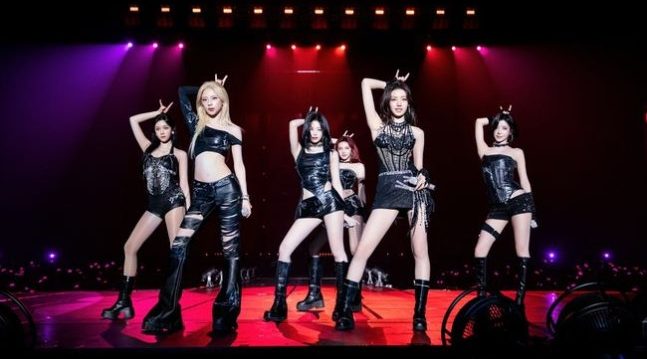
The legacy of YG’s bold experimentation continued through Teddy’s production work and evolved into BLACKPINK. Critic Hwang Sunup praised BLACKPINK, celebrating its 10th debut anniversary this year, as “a group that opened a new horizon K-pop could reach.” Although JISOO, JENNIE, ROSÉ, and LISA left the company for their solo activities, their group promotions continue through YG, which still holds the BLACKPINK IP.
At the turning point of its 30th anniversary, YG remains intensely dynamic. According to recent disclosures, the company’s consolidated operating profit for the first quarter reached 19.4 billion won, marking an astonishing 103.9% increase year-on-year. Revenue also rose 46.9% to 147.1 billion won. The results were driven by BLACKPINK’s tour and album sales, alongside explosive merchandise sales from younger groups.
The outlook for the second half of the year is even more encouraging. In August, BIGBANG K-pop’s eternal icon is set to launch its 20th anniversary world tour, reigniting global fan enthusiasm once again. The group is also preparing a new album. Although G-DRAGON, TAEYANG, and DAESUNG have all left YG individually, the company still retains BIGBANG’s IP.

Currently, YG Entertainment oversees only BIGBANG and BLACKPINK’s group activities, and compared to other major agencies, its active artist lineup is relatively small. iKON, once beloved by children nationwide through the hit song “LOVE SCENARIO,” moved to 143 Entertainment, while AKMU established an independent label after their exclusive contract expired. TREASURE, BABYMONSTER, WINNER, and SECHSKIES member EUN JIWON remain under the company. However, the strong performances of BABYMONSTER and TREASURE, along with the blueprint for a new five-member boy group set to debut in September and the next girl group tentatively titled “NEXT MONSTER,” are coloring YG’s next chapter in brilliant fashion.
Editor Choi Yonghwan predicted, “The trendsetter DNA pioneered by YG artists led by G-DRAGON including high-end brand collaborations and world tours is clearly being inherited by TREASURE, BABYMONSTER, and even artists under THEBLACKLABEL.”
The following are music critics’ reflections on the meaning of YG’s 30th anniversary and its representative musicians.
Kim Sunghwan, Music Journalist (Korean Music Awards Selection Committee Member)
▲Achievements and Meaning of YG’s 30th Anniversary = I believe YG is a label that has consistently embraced overseas Black music trends (R&B/hip-hop) while simultaneously cultivating its own unique musical sensibility. Even after transitioning into K-pop boy group and girl group production, this identity remained intact to the extent that longtime K-pop listeners can recognize a YG release simply by hearing the music.
▲Representative YG Artists = Although many early artists were excellent musicians, the two artists who perfectly established YG’s current musical identity were undoubtedly BIGBANG and 2NE1. The core of YG’s musical individuality, which continues through its younger groups today, was completed through these two teams, while they also achieved unparalleled popularity and commercial success. They demonstrated the natural transplantation of hip-hop’s “coolness” and “swagger” into K-pop and perfected the fusion of Black music with electronic dance music. In that sense, the YG sound reached its peak with these two groups.

Kim Yunmi, Music Journalist (Korean Music Awards Selection Committee Member)
▲Achievements and Meaning of YG’s 30th Anniversary = “Family” and “Style.” These are probably the first two words that come to mind when thinking of YG YG Family and YG Style. Since the days of “Hyun Planning” and “Yang-gun Entertainment,” YG carried a strong image of a creative collective overflowing with hip-hop-based crew culture, street sensibility, and unique swagger, especially compared to SM and JYP, which relied heavily on the charisma of their founders. Within this differentiated background, YG successfully launched BIGBANG and 2NE1, emphasizing artists’ individuality and narratives beyond the framework of “systemized idols.” The global syndrome of “Gangnam Style” through collaboration with PSY and the expansion of musical boundaries through partnerships with M.Boat were also achievements realized under YG’s big tent. After enduring numerous controversies and hardships, YG now appears to be catching its breath while drawing a new blueprint. How it operates its current lineup which undeniably differs in presence and weight from its predecessor groups and how it launches and develops new groups will become YG’s urgent task beyond its 30th anniversary.
▲Representative YG Artists = Although YG has had numerous artists, BIGBANG and BLACKPINK stand out when considering the solidification and expansion of YG’s identity and style, along with global success. In that sense, 2026 is a symbolic year overlapping YG’s 30th anniversary, BIGBANG’s 20th debut anniversary, and BLACKPINK’s 10th debut anniversary. BIGBANG broke conventional idol formulas and changed the K-pop paradigm with the then-revolutionary concept of the “self-producing idol.” They also paved the way into Europe and South America beyond Asia. BLACKPINK, meanwhile, is unquestionably the world’s top girl group and a global icon leading trends, writing unprecedented success stories both as a group and through individual solo activities. If BIGBANG changed the constitution of K-pop, BLACKPINK expanded and proved its influence on the global market. Another indispensable figure in YG’s history is Teddy, the Executive Producer and head of THEBLACKLABEL. As the leader of 1TYM one of the key groups that built the foundation of early YG alongside JINUSEAN and SE7EN Teddy has shared nearly every successful moment in YG’s past quarter century as both composer and producer.
Choi Yonghwan , Freelance Editor (Korean Music Awards Selection Committee Member)
▲Achievements and Meaning of YG’s 30th Anniversary = YG has played an enormous role in K-pop history. While all three major entertainment companies were heavily influenced by Black music in their early years, YG most aggressively embraced mainstream American hip-hop and evolved it into the central driving force of K-pop. Beyond simple genre borrowing, YG established a unique “YG sound” combined with Korean sensibilities, while its rebellious yet sophisticated artist personas expanded the market spectrum through a distinct route. Furthermore, the image of K-pop artists as global trendsetters leading not only music but also fashion and lifestyle truly began with YG artists led by G-DRAGON. Their pioneering businesses, including high-end brand collaborations and large-scale world tours, had a massive impact on later generations of K-pop and countless artists.
▲Representative YG Artists = At the beginning of YG’s 30-year history stood “YG Family.” The late 1990s, when JINUSEAN and 1TYM emerged, and the early 2000s, when R&B artists such as Realslow, Gummy, and SE7EN thrived, established YG as a label centered on artist-driven creativity rooted in Black music. Later, BIGBANG which opened a new era for YG and 2NE1, which overturned the grammar of girl groups, clearly inherited this identity. Even as the market shifted toward fandom-centered business models, these groups secured unrivaled popularity and artistry while becoming cultural icons leading fashion and lifestyle trends. This DNA was proven once again through WINNER, iKON, and BLACKPINK, and continues to be inherited by TREASURE, BABYMONSTER, and artists under THEBLACKLABEL.

Hwang Sunup, Pop Music Critic (Korean Music Awards Selection Committee Member)
▲Achievements and Meaning of YG’s 30th Anniversary = In its early years, YG helped make Black music, including hip-hop, more familiar to the public. Later, by producing BIGBANG, 2NE1, and BLACKPINK, the company rewrote the global standards of K-pop and expanded the boundaries of Korean popular music.
▲Representative YG Artists = ①JINUSEAN: YG’s founding contributors who led the popularization of hip-hop ②BIGBANG: A team best described by the phrase “together yet separate,” presenting a new model for boy groups ③BLACKPINK: A group that opened a new horizon K-pop could reach.
2026. 5. 12.